Experience historic architecture around the world.
Travel with a department professor through exciting cities, experience different cultures, create memories, and learn about awe-inspiring designers and buildings.
The creation of architecture demands a passionate concern for, and knowledge of places. Experiencing historic architecture in person helps us develop an appreciation and respect for the great building achievements of the past. Which in turn creates an active love and dedication within us for developing inspiring and impactful architectural masterpieces for our time.


I confront the city with my body; my legs measure the length of the arcade and the width of the square; my gaze unconsciously projects my body onto the facade of the cathedral, where it roams over the mouldings and contours, sensing the size of recesses and projections; my body weight meets the mass of the cathedral door, and my hand grasps the door pull as I enter the dark void behind. I experience myself in the city, and the city exists through my embodied experience. The city and my body supplement and define each other. I dwell in the city and the city dwells in me.
Our Philosophy
Our Study Abroad Program aims to discover, through a guided tour of timeless cities and places, the primary achievements in architecture and the built environment. The creation of architecture demands a passionate concern for, and knowledge of places. To achieve this knowledge and this concern, one must observe, and in doing so, to learn. Experiencing historic architecture in person assists design students develop appreciation and respect for the great building achievements of the past, and simultaneously creates an active love and dedication for developing inspiring architecture for our time. Goethe had written about the villas of Andrea Palladio: “You have to see these buildings with your own eyes to realize how good they are.” Accordingly, one of the central goals of this program is helping students to learn to see with more than their eyes, and beyond the surface of appearance. The rationale behind this goal is that one can appreciate architecture in relation to its period, the given circumstances of a human’s artistic aspirations, the technical means that existed, the social-political conditions, and found the inspiration to create masterpieces for the time in which one builds. Students will document the buildings, objects, places, and spaces they visit through observational drawings.
Experiencing a building is different from looking at a slide presentation in a classroom or looking at a painting in a museum. Paintings are meant to be looked at; architecture should be lived in. Buildings reveal themselves slowly; they must be seen at different times of the day and under different conditions, in sunlight and darkness, in fog and rain. But above all architecture should not be experienced from one static point of view, but through movement through it. Another characteristic of great architecture is the balance in the constant relationship between the single parts and the whole. This represents a desire for synthesis, which seeks decorative values not so much through ornamentation as in the interplay of volumes and surfaces, by emphasizing structure and constructive aspirations. The devices in civic design, which can be experienced only by walking through the three-dimensional architecture of traditional cities, derives chiefly from the notion that the space in between the buildings is as important as the buildings themselves.

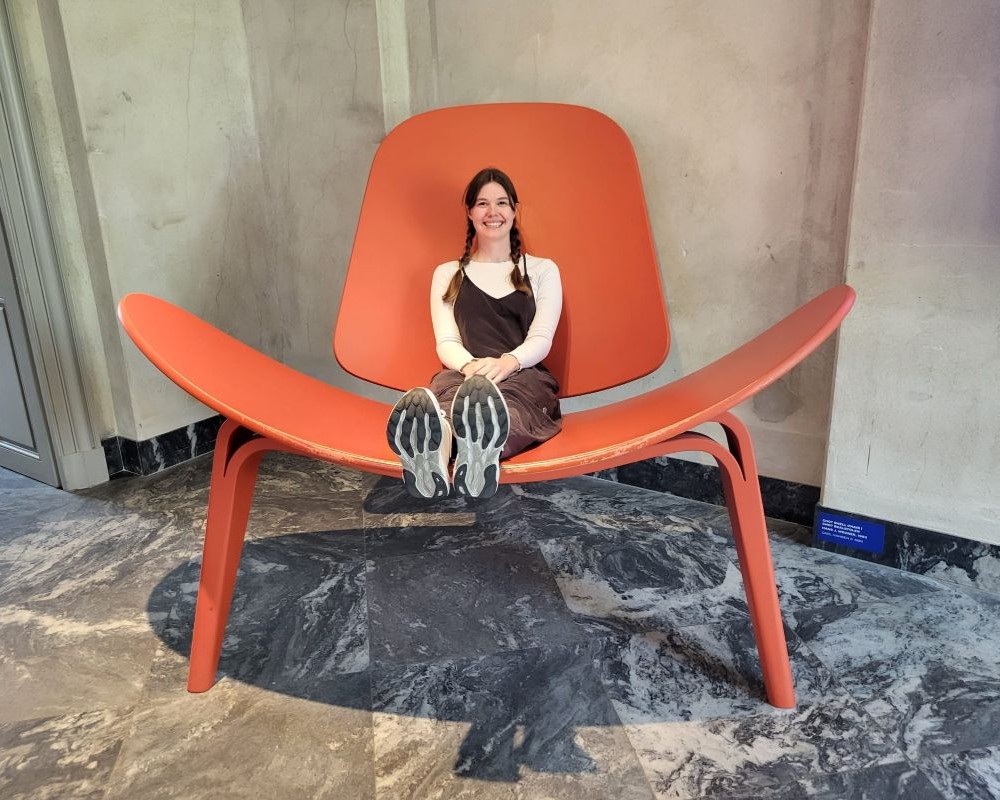
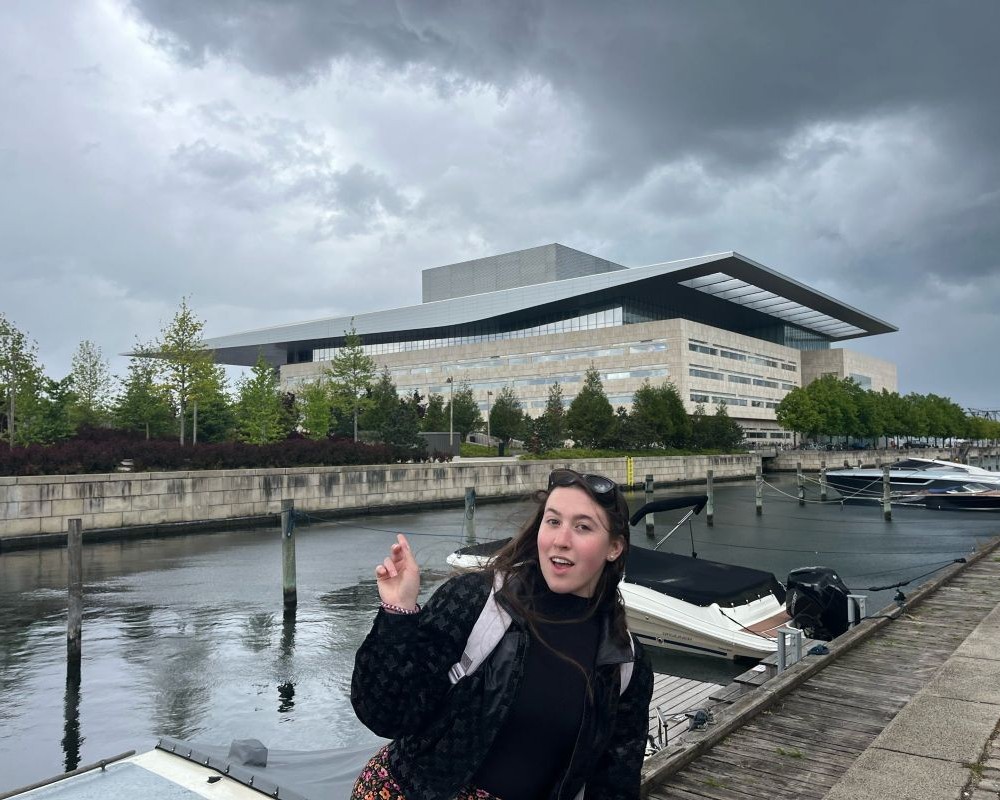
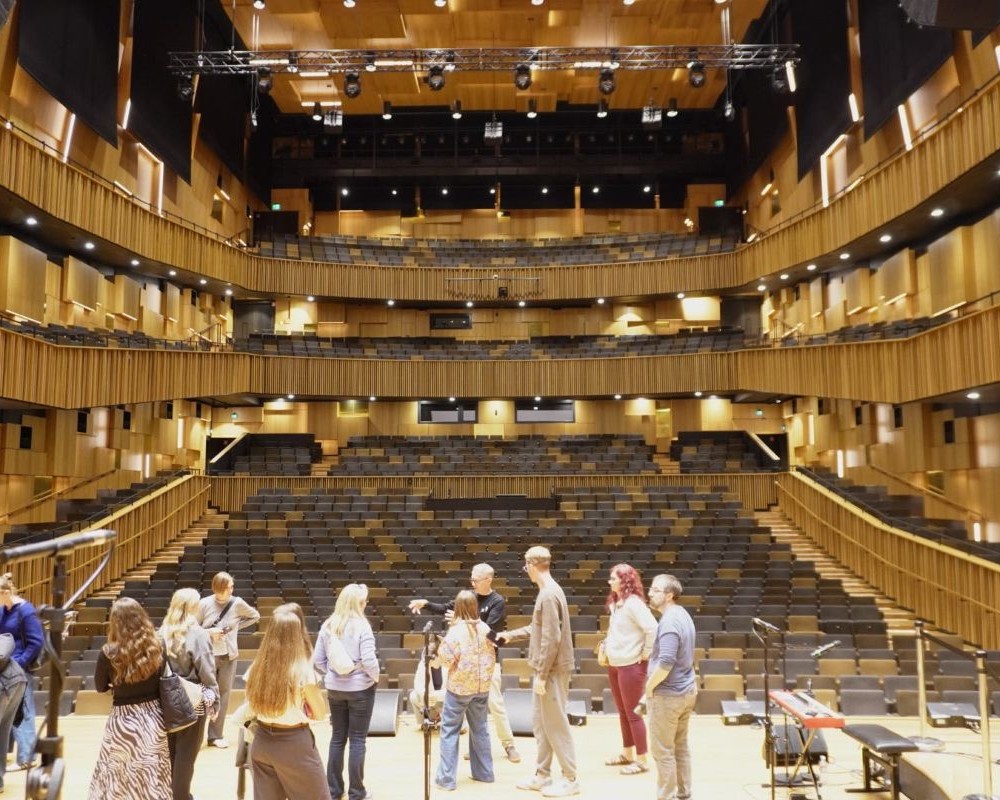
Scandinavia 2025
Study Abroad Opportunities
Through a guided tour with a department professor of timeless cities and places, these courses aim to discover the primary achievements in architecture and the built environment. Seeing a building at different times of the day and under different conditions, in sunlight and darkness, in fog and rain; moving through it ourselves and watching others move through it, we learn to observe, to see with more than our eyes, and to see beyond the surface of appearance.
There are many opportunities available for students to explore the world through the International Center at Mizzou. You need to work closely with your academic advisor to select an appropriate program and term to ensure you are on track with your degree progress.
Italy 2023
An immersive exploration of Italy’s architectural heritage and urban design, this program offers students firsthand experiences of the country’s iconic built environments. Renowned for its historical significance and cultural richness, Italy provides an unparalleled context for understanding the evolution of architecture and urban spaces.
The program integrates guided tours of architectural landmarks with hands-on sketching exercises and critical analysis, allowing students to develop their observational and visual communication skills. Through direct engagement with Italian cities, students explore the interplay between individual architectural elements, their broader urban contexts, and the cultural and historical forces that shaped them.
Key Site Visits: Colosseum, Pantheon, Roman Forum, Florence Cathedral, Uffizi Gallery, Venice’s St. Mark’s Basilica, and the Leaning Tower of Pisa.
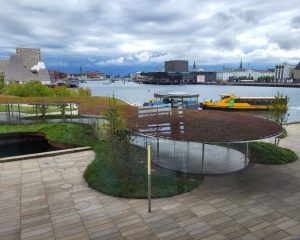
Scandinavia 2025
An immersive exploration of Nordic architecture, interior design, and furniture craftsmanship. Renowned for its synthesis of modernist ideals and environmental responsibility, the region provides an unparalleled context for studying how thoughtful design shapes innovative and sustainable built environments.
The program blends curated site visits with hands-on sketching and critical analysis exercises, encouraging students to refine their observational skills while exploring sustainable best practices. Through firsthand experiences in Scandinavian spaces—where architecture, interiors, and furnishings blend—students gain insights into creating designs that are both environmentally conscious and socially responsive.
Key Site Visits: Thorvaldsens Museum, Glyptotek, 8 Tallet, Royal Danish Academy of Fine Arts, Finn Juhl House, Royal Danish Opera House, Superkilen Park, Copenhagen Zoo, Grundtvig’s Church, Bagsvaerd Church, Kroyers Plad, Design Centre Malmö, Stockholm Public Library, Kulturhuset, Woodland Cemetery
Japan 2026
Details TBA