Solar Decathlon
Thesis
MISSION STATEMENT FOR PROJECT:
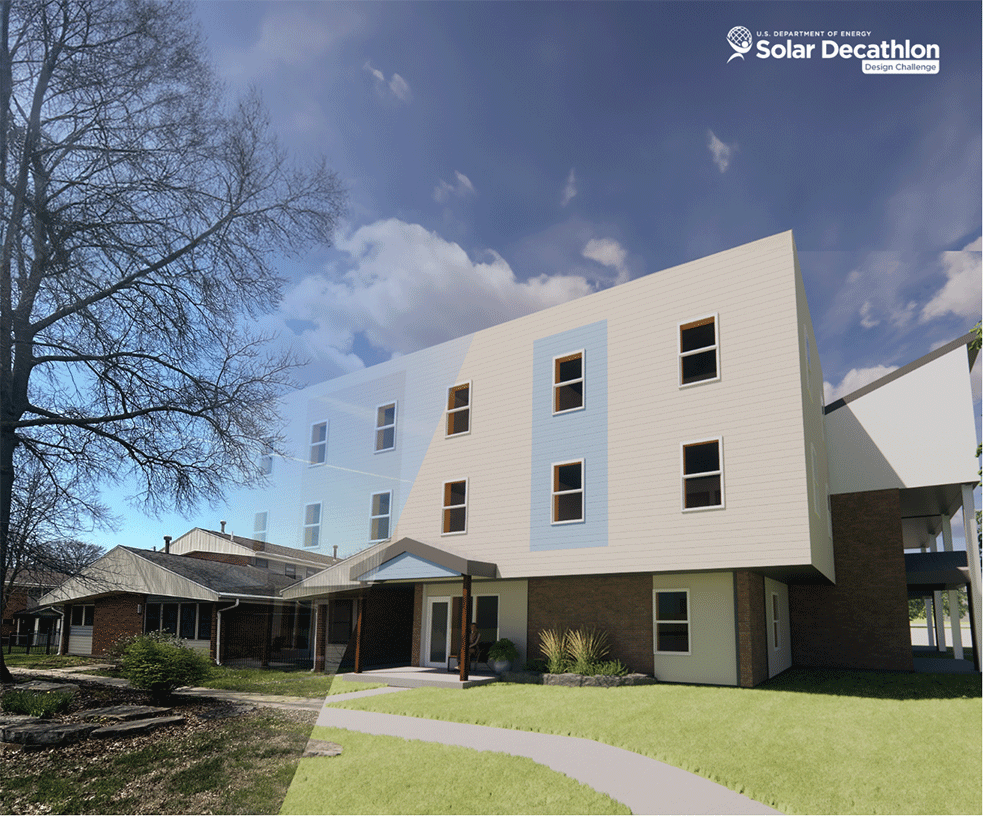
The U.S. Department of Energy Solar Decathlon® is a collegiate competition which challenges students to design and build high-performance, low-carbon buildings that mitigate climate change and improve our quality of life through greater affordability, resilience, and energy efficiency. Solar Decathlon focuses on 9 contest areas which all projects must prioritize (U.S Department of Energy 2024).
GOALS OF THE PROJECT:
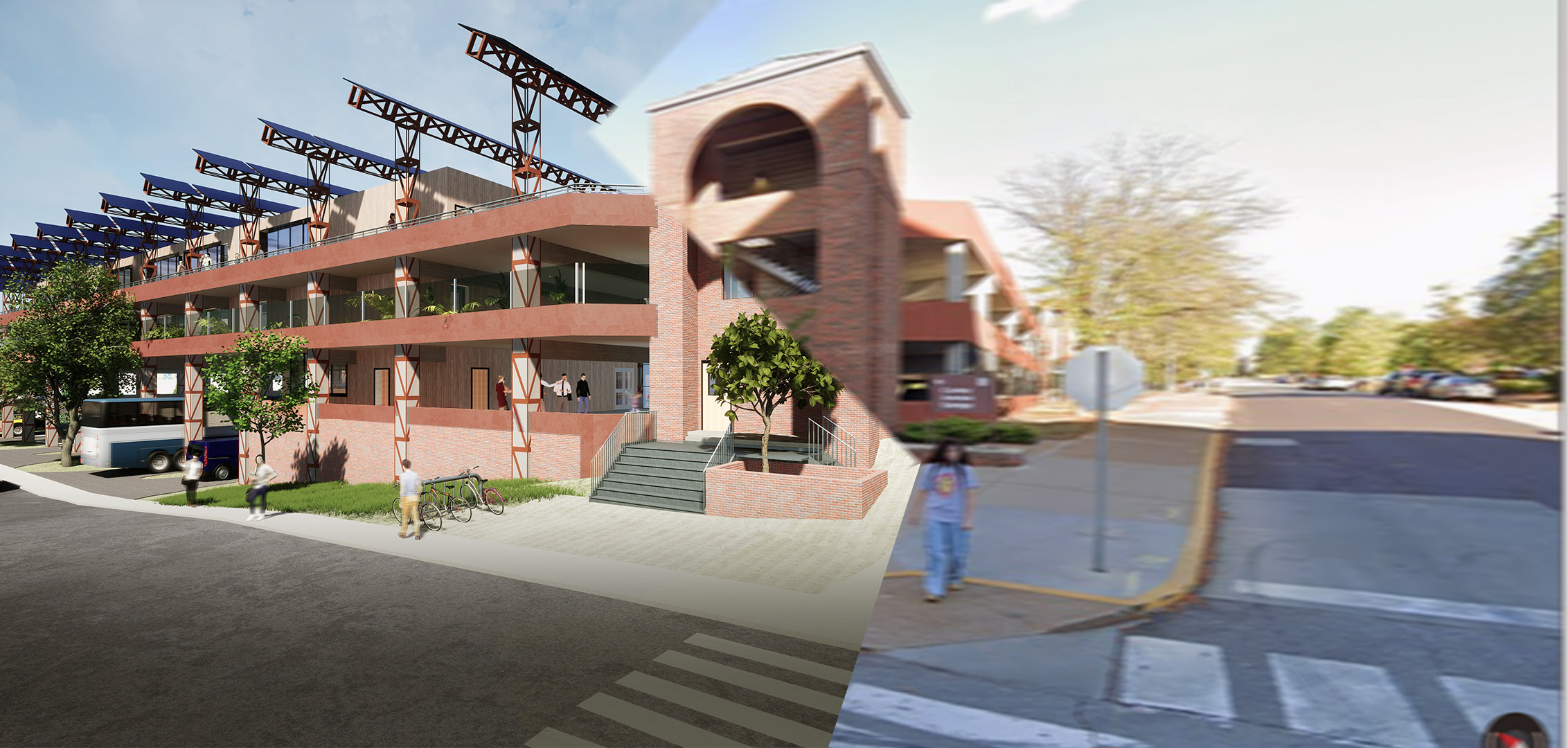
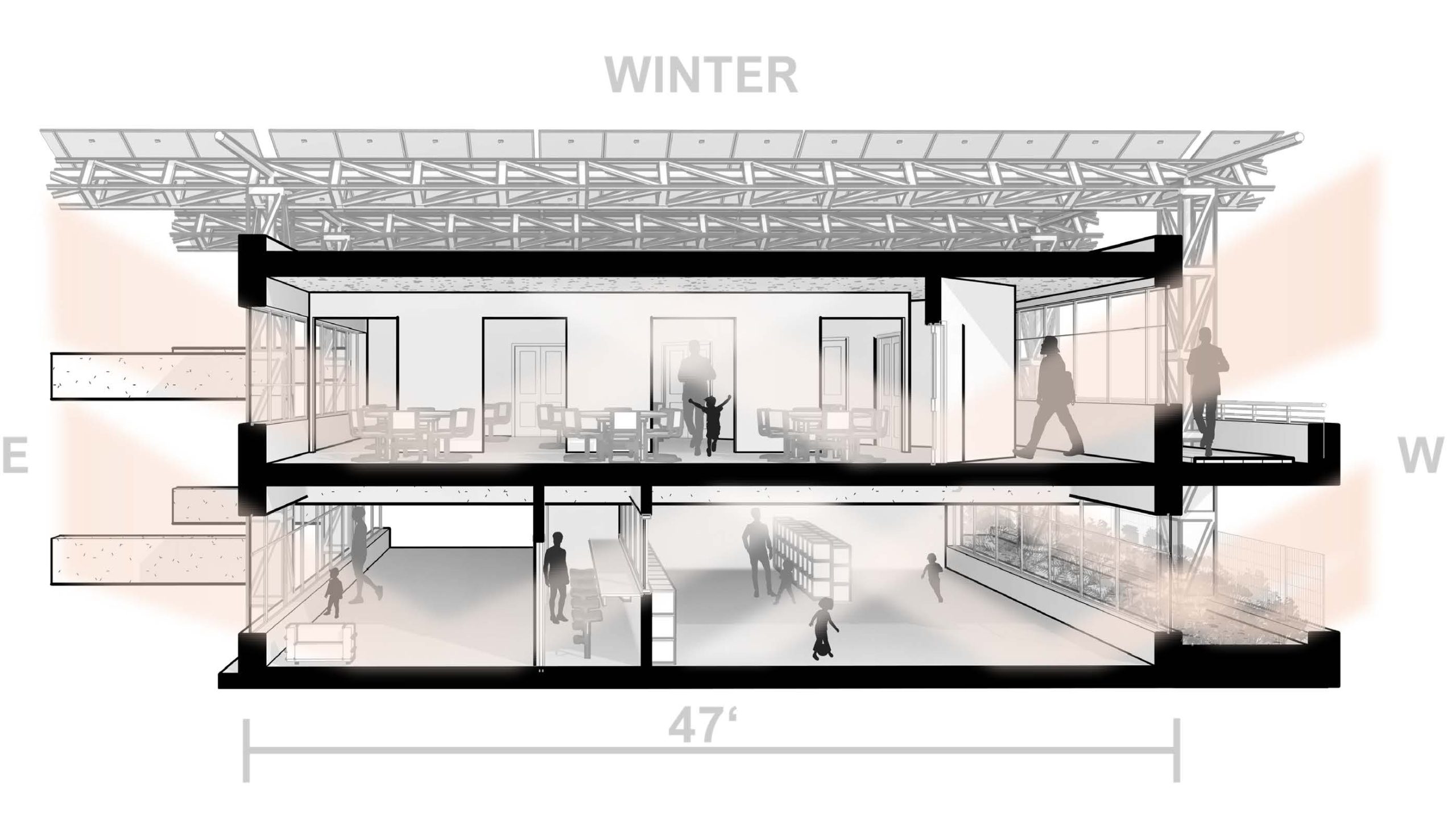
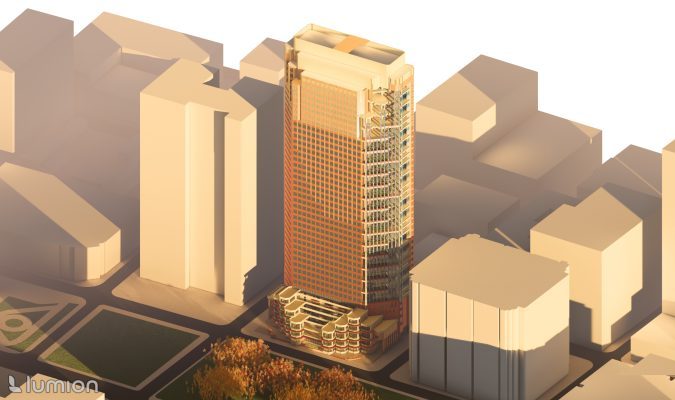
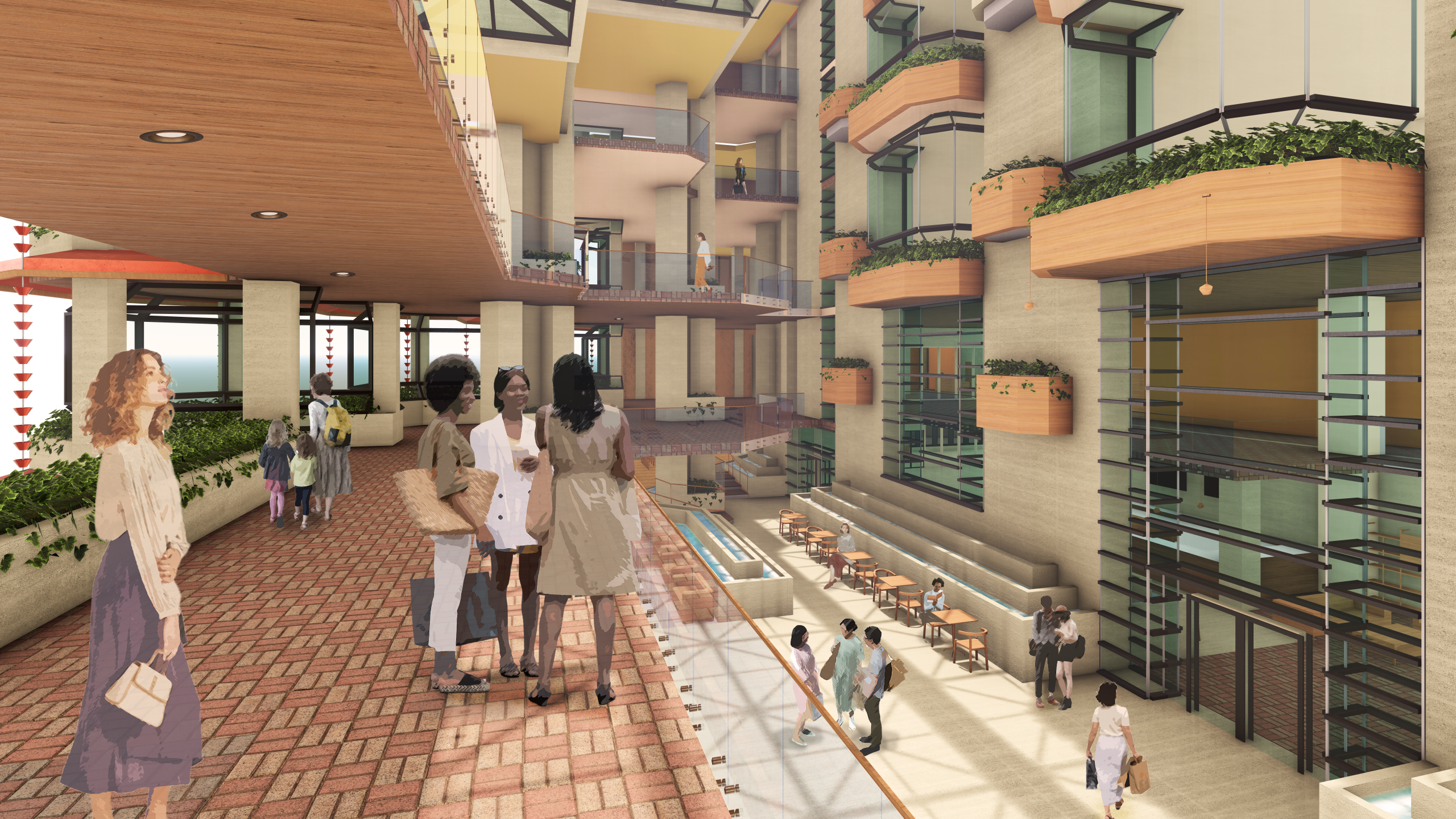
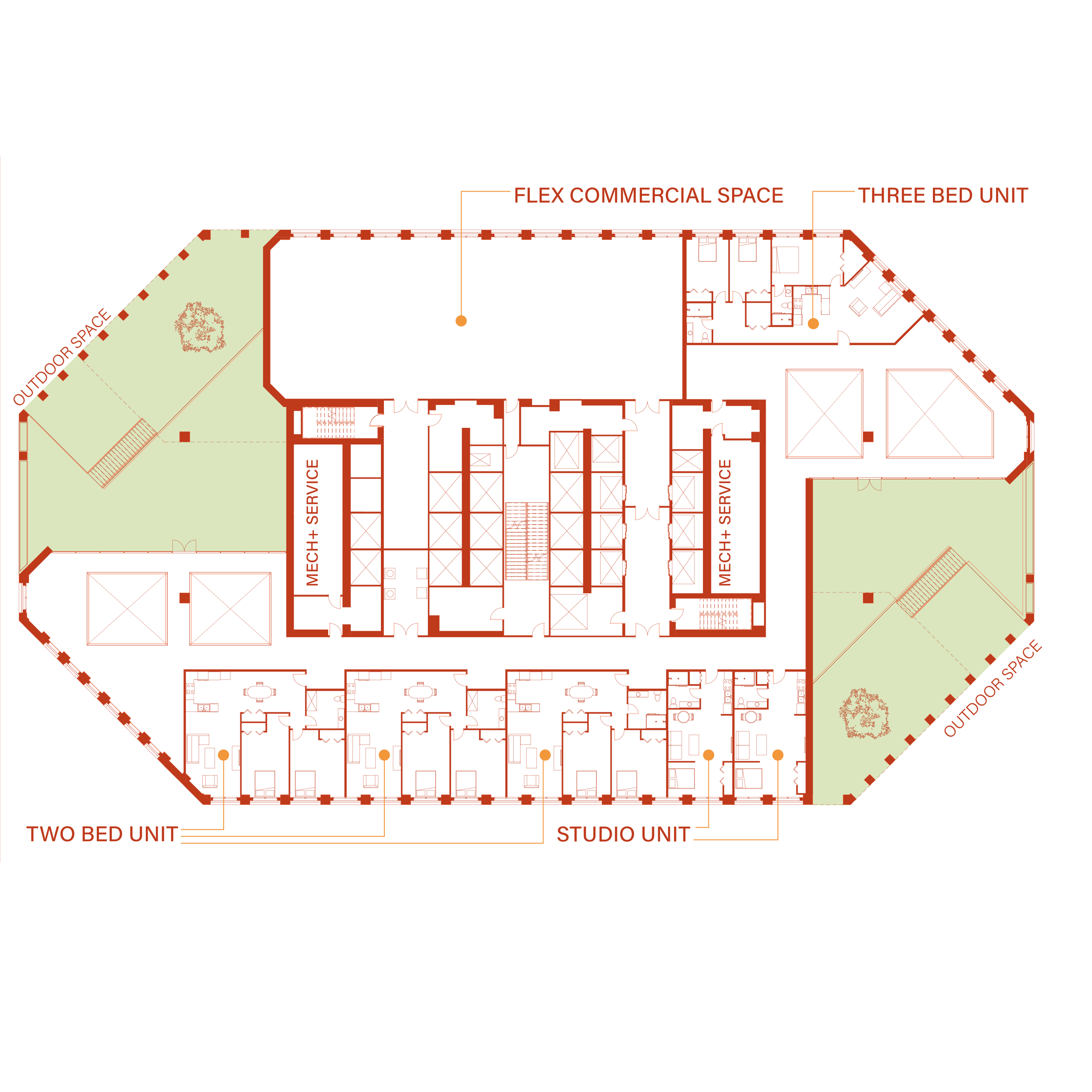
- Architecture. This Contest evaluates the building architecture for creativity in matching form with function, overall integration of systems, and ability to deliver outstanding aesthetics and functionality both inside and outside the structure.
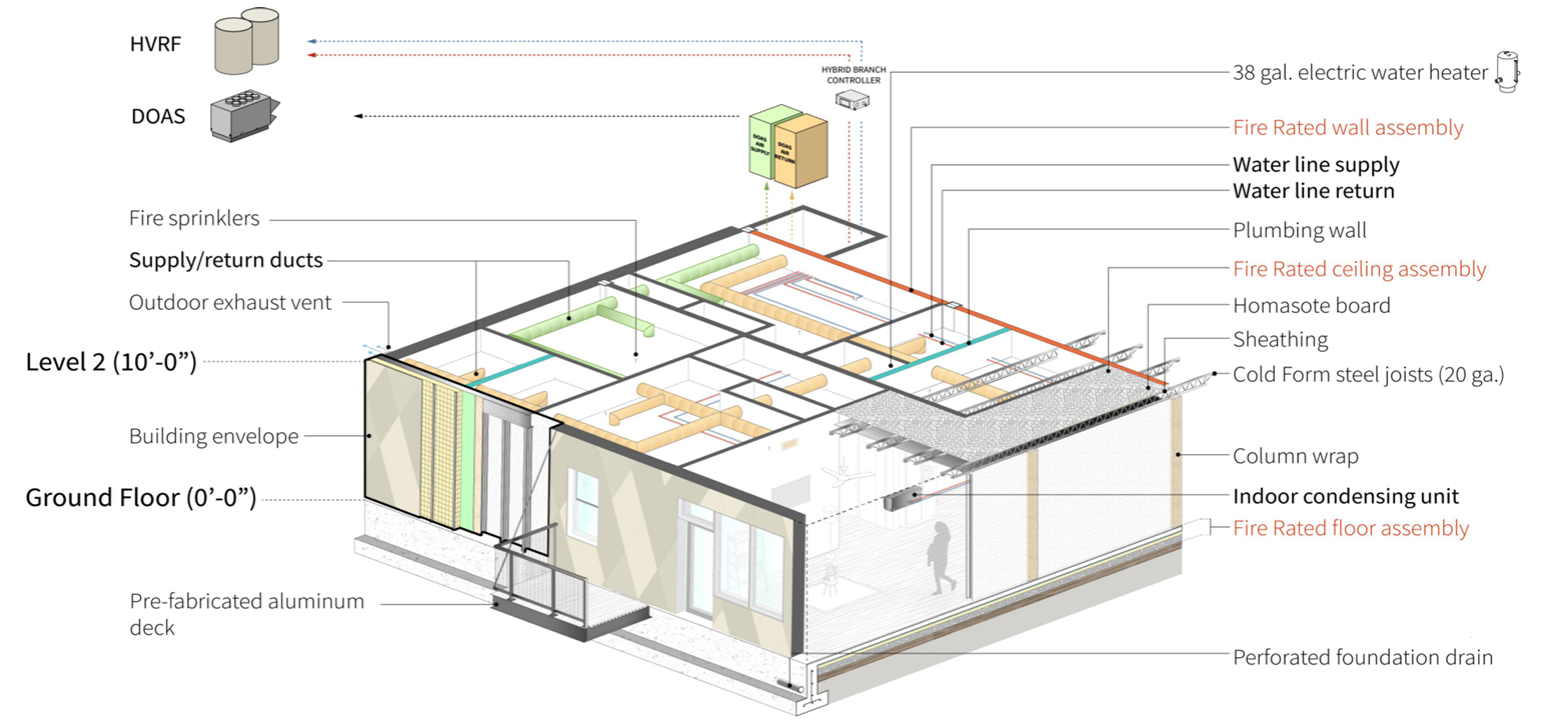
- Engineering. This Contest evaluates the design and effective integration of the innovative, high-performance systems needed for a zero-energy building, including mechanical, electrical, plumbing, and structural engineering systems.
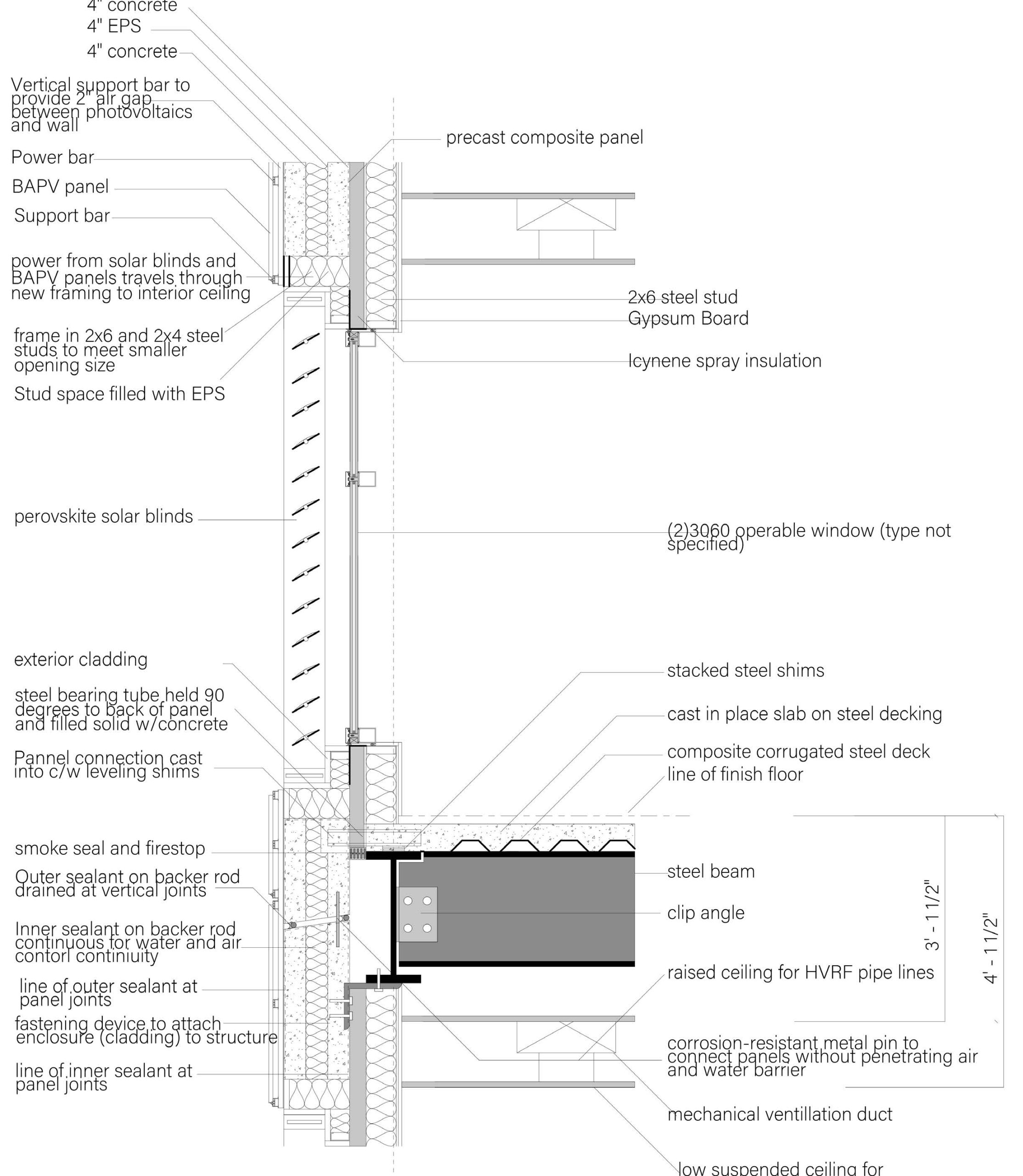
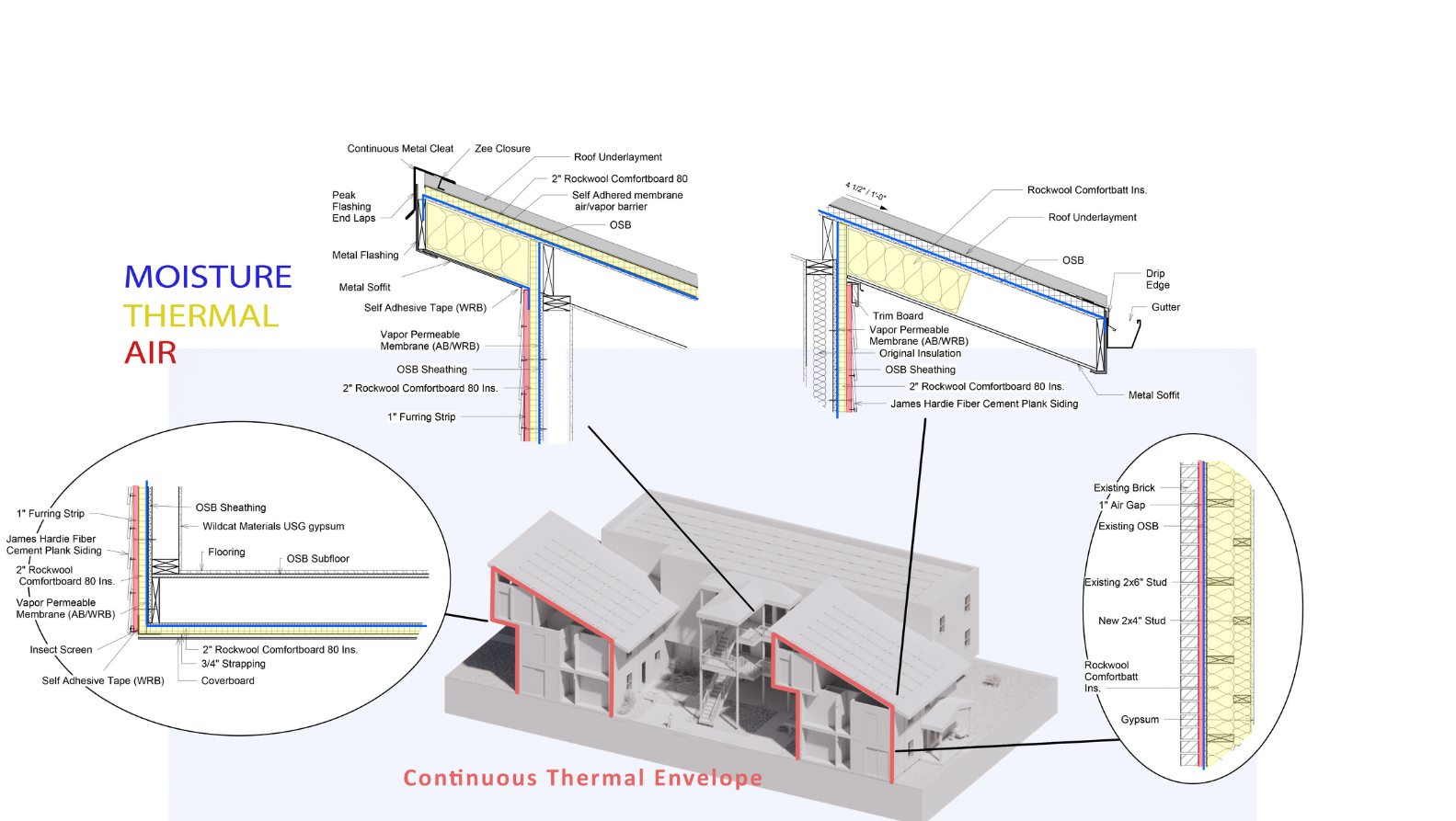
- Envelope. This Contest evaluates the envelope design strategies, including air tightness, thermal performance, and durability, and balancing comfort with optimized system performance.
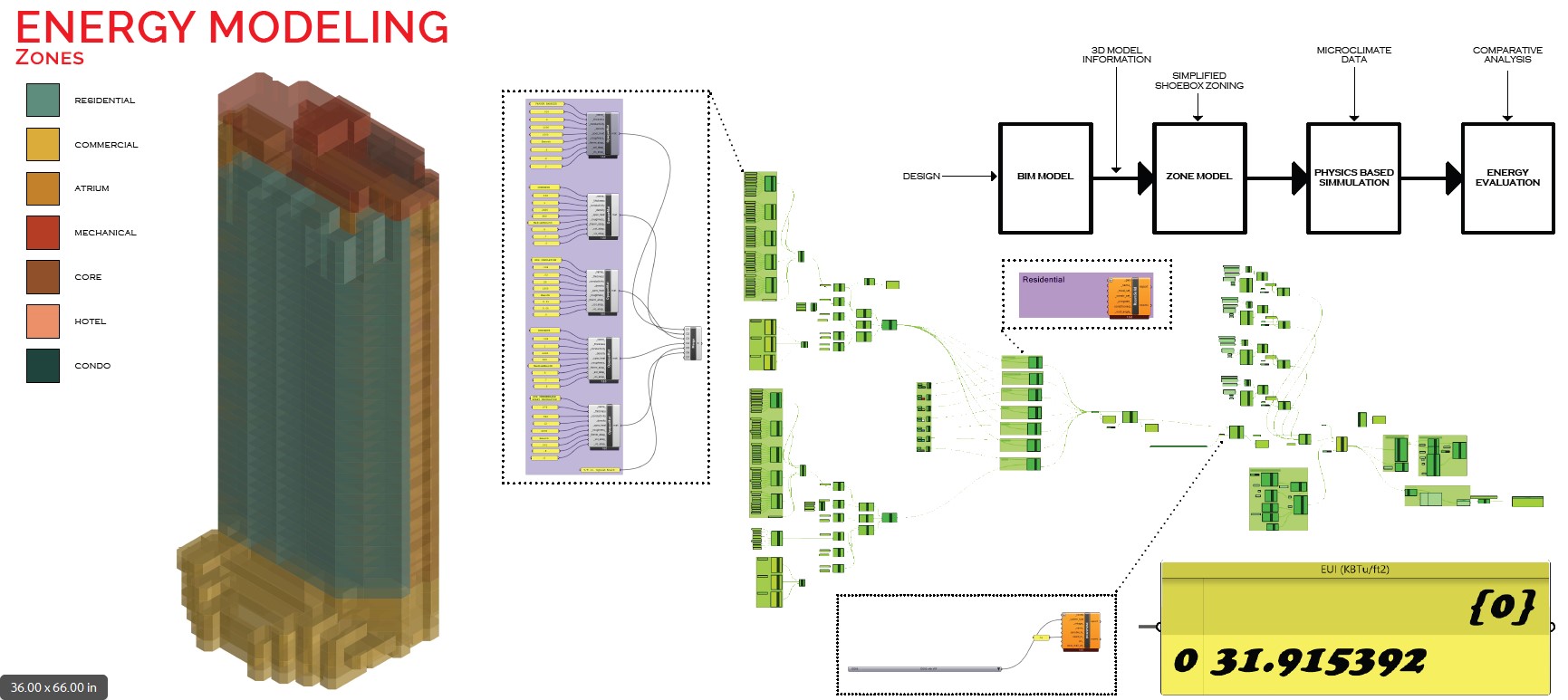
- Efficiency. This Contest evaluates the whole-building operational efficiency from successful modeling to application of active and passive systems.
- Grid Interactivity. This Contest evaluates the building’s ability to minimize operational carbon by interacting with the grid, demonstrating resiliency during disruptions, and aligning with the supply, demand, and fuel mix constraints of the local utility.
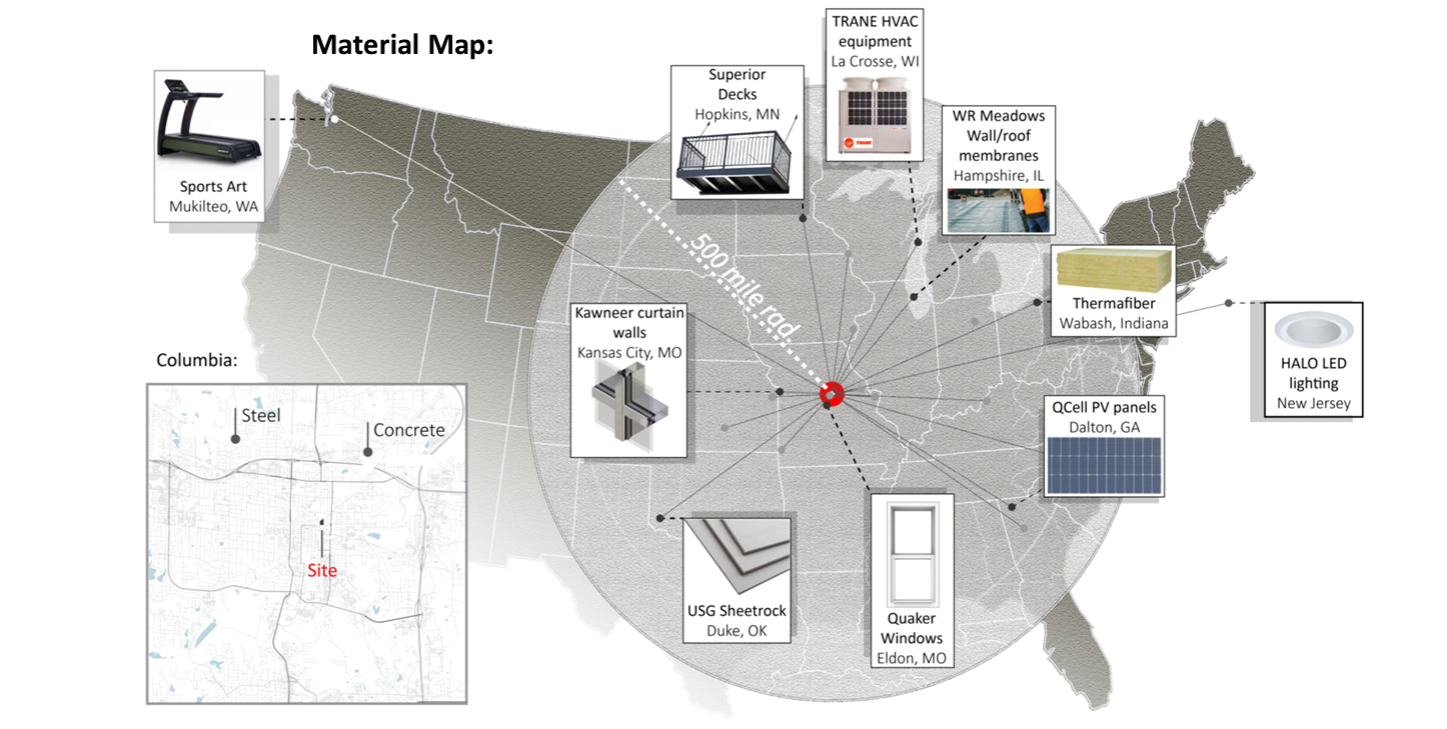
- Life-Cycle. This Contest evaluates the building’s energy and carbon impacts throughout the entire building life cycle, from raw material extraction through operation to end of life.
- Health. This Contest evaluates the building’s capability to safeguard occupant health and quality of life through system and space designs that optimize comfort, safety, and indoor air quality.
- Market. This Contest evaluates the project’s potential to transform the built environment and serve as a catalyst for change in future projects through scalability and likelihood of adoption by the target market and industry.
- Community. This Contest evaluates how the building supports and aligns with the priorities of the occupants and their local communities, including addressing the need for affordability.
(U.S. Department of Energy 2024).

Dani Jennings
THESIS 2024
Architectural Studies,Interior Design


Milena Fischer
THESIS 2024
Architectural Studies,Interior Design
Ezra Stimac, Gail Bray, Ben Hendricks
THESIS 2024
Architectural Studies,Interior Design

THESIS 2024: Professor Bartlett
Interior Design
THESIS 2024: Professor Bartlett
Interior Design